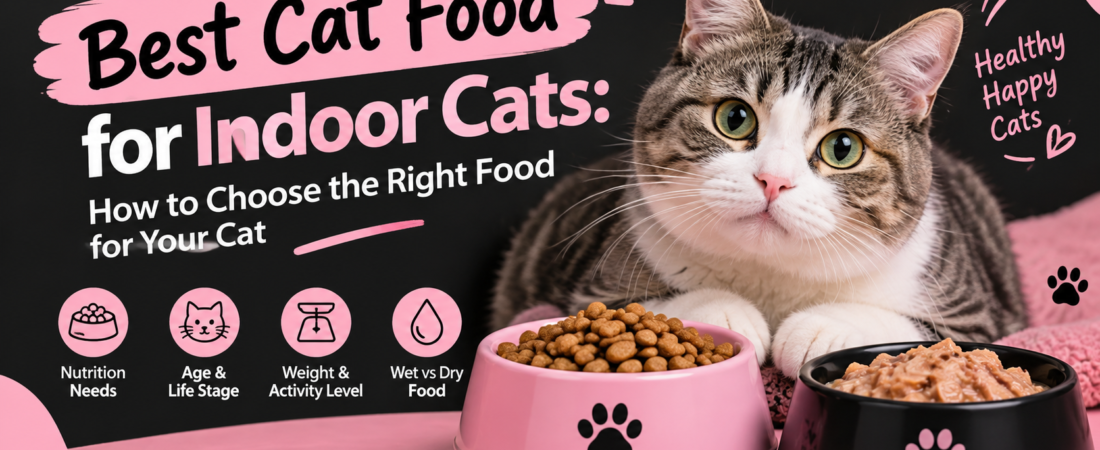
Choosing the right cat food can feel overwhelming. Walk into any pet store or browse Amazon, and you will find dozens of options labeled for indoor cats, sensitive stomachs, weight management, hairballs, and every stage of life.
But the most expensive food is not automatically the best food for your cat.
The right choice depends on your cat’s age, health, activity level, body condition, and individual nutritional needs. This guide explains what to look for when choosing cat food and how to avoid some of the most common mistakes cat owners make.
What Makes a Good Cat Food?
Cats are obligate carnivores, which means animal-based nutrients are an important part of their diet. A good cat food should provide adequate protein, fat, vitamins, minerals, and other essential nutrients.
When comparing products, don’t focus only on the ingredient list or marketing claims on the front of the package.
Look for food that is labeled as complete and balanced for the appropriate life stage.
You can also compare protein, fat, calories, and feeding guidelines between products to get a better idea of how they fit your cat’s needs.
Dry Cat Food vs. Wet Cat Food
One of the most common questions cat owners ask is whether dry or wet food is better.
The answer isn’t necessarily one or the other.
Dry Cat Food
Dry food is convenient, easy to store, and can be left out for certain cats without spoiling as quickly as wet food.
It can also make feeding routines simpler for busy households.
However, dry food contains much less moisture than canned food. Cats that do not drink enough water may benefit from having wet food included in their diet.
If you’re comparing dry formulas, check out our Best Dry Cat Food for Indoor Cats guide.
Wet Cat Food
Wet food contains significantly more moisture and can be a useful way to increase your cat’s overall water intake.
Some cats also find wet food more appealing because of its texture and aroma.
The downside is that opened cans or pouches need to be refrigerated and used within an appropriate period.
For cats that prefer canned meals, our Best Wet Cat Food for Cats guide can help you compare different options.
How Much Protein Does a Cat Need?
Protein is one of the most important nutrients in a cat’s diet.
However, simply choosing the food with the highest percentage of protein isn’t always the right strategy.
Cats have different nutritional requirements depending on age, activity level, body condition, and health status.
Instead of chasing the highest protein number, look for a nutritionally complete food from a reputable manufacturer and consider the overall nutritional profile.
If your cat has a medical condition, your veterinarian should be involved in deciding whether a specific therapeutic diet is appropriate.
What About Grain-Free Cat Food?
Grain-free diets have become extremely popular among pet owners.
But “grain-free” does not automatically mean healthier.
Some cats can eat foods containing grains without any problems, while others may have specific dietary sensitivities.
Removing grains from a formula does not automatically make it more nutritious. What matters is whether the complete diet provides the nutrients your cat needs.
Therefore, don’t choose a cat food solely because the package says “grain-free.”
How to Choose Cat Food for Indoor Cats
Indoor cats often have lower activity levels than cats that spend a lot of time outdoors.
That can make calorie control particularly important.
When choosing food for an indoor cat, consider:
- Your cat’s age
- Current body weight
- Body condition
- Activity level
- Whether your cat is spayed or neutered
- Existing health conditions
- Whether your cat prefers wet or dry food
- The calorie density of the food
An indoor cat that spends most of the day sleeping may not need the same calorie intake as a highly active cat.
This is one reason feeding instructions on the package should be treated as a starting point rather than a perfect prescription.
Best Cat Food for Kittens
Kittens have different nutritional requirements from adult cats because they are growing rapidly.
Kitten food is generally formulated to provide higher levels of certain nutrients and calories needed during growth.
If you have a kitten, look specifically for food formulated for growth or all life stages, rather than automatically feeding an adult-maintenance formula.
You can also read our Best Kitten Food guide for more information.
Best Cat Food for Senior Cats
Older cats may have different nutritional needs depending on their health and activity level.
However, “senior” does not automatically mean a cat needs a special diet.
A healthy senior cat may do very well on a complete and balanced adult diet, while another cat may need a diet specifically recommended by a veterinarian.
Pay attention to changes in appetite, weight, drinking, digestion, and activity.
Sudden changes should not simply be blamed on aging.
How to Read a Cat Food Label
Cat food labels can be confusing, but you don’t need to understand every technical term to make a better decision.
Start with these areas:
1. Life Stage
Check whether the food is intended for kittens, adults, seniors, or all life stages.
2. Nutritional Adequacy
Look for a statement indicating that the food is complete and balanced for the intended life stage.
3. Guaranteed Analysis
This section usually lists crude protein, crude fat, crude fiber, and moisture.
Remember that percentages on dry and wet foods cannot always be compared directly because their moisture levels are very different.
4. Calories
Calories matter, especially for indoor cats that are prone to gaining weight.
A food with excellent ingredients can still lead to weight gain if your cat consistently consumes more calories than needed.
Should You Change Your Cat’s Food?
If your cat is doing well on its current food, there may be no reason to change it simply because another product is trending online.
This is an important point that is often overlooked.
Constantly switching foods can cause digestive upset in some cats.
If you decide to change your cat’s diet, transition gradually rather than switching suddenly.
A common approach is to gradually increase the new food while decreasing the old food over approximately a week, adjusting the pace if your cat experiences digestive problems.
How to Choose Between Different Cat Food Brands
Brand reputation matters, but it shouldn’t be the only factor.
When comparing products, consider:
- Nutritional adequacy
- Ingredient quality
- Manufacturing standards
- Calorie density
- Life-stage suitability
- Your cat’s individual needs
- Your budget
- Whether your cat actually eats it consistently
A theoretically excellent food is not useful if your cat refuses to eat it.
If you’re comparing specific products, see our Cat Food Reviews for detailed product-by-product information.
Common Cat Food Mistakes
Feeding Too Much
Overfeeding is one of the most common problems, especially for indoor cats.
Portion sizes should be adjusted based on your cat’s weight, body condition, activity, and calorie requirements.
Focusing Only on Ingredients
An ingredient list can be useful, but it doesn’t tell the entire nutritional story.
Changing Food Too Quickly
Sudden diet changes can cause vomiting, diarrhea, or reduced appetite in some cats.
Assuming Expensive Means Better
Price and nutritional quality are not always directly connected.
Ignoring Water Intake
Cats naturally have a relatively low thirst drive compared with some other animals.
Providing fresh water in multiple locations and considering moisture-rich food can be helpful for many cats.
For more ideas, read our guide to How to Get Your Cat to Drink More Water.
Final Thoughts
There is no single cat food that is perfect for every cat.
The best choice is one that provides complete and balanced nutrition for your cat’s life stage while fitting their individual needs, preferences, and calorie requirements.
Instead of choosing food based solely on marketing claims such as “premium,” “natural,” or “grain-free,” look at the complete nutritional picture.
And remember: if your cat has a medical condition, unexplained weight loss, persistent vomiting or diarrhea, changes in appetite, or other concerning symptoms, talk to your veterinarian before making major dietary changes.
For product comparisons and recommendations, visit our Cat Food section and explore our latest Cat Food Reviews.