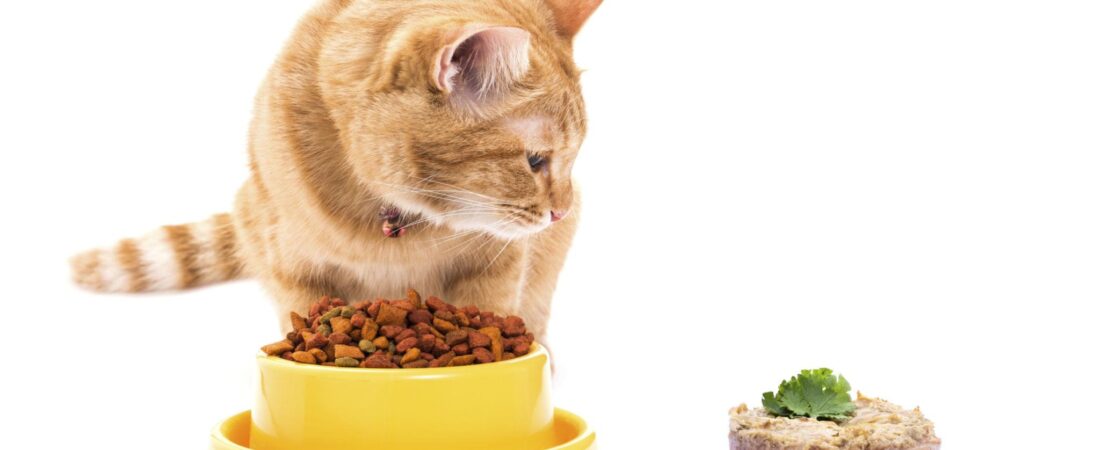
Choosing between wet food and dry food is one of the most common questions cat owners ask. Both options can provide complete nutrition, but each has different advantages depending on your cat’s age, health, and lifestyle.
In this guide, we compare wet food and dry food to help you decide which type is best for your cat.
What Is Wet Cat Food?
Wet food contains a high amount of moisture, usually around 70–80% water. It is often sold in cans, pouches, or trays and has a soft texture that many cats find highly appealing.
Benefits of wet food:
- Helps increase daily water intake.
- May support urinary tract health.
- Usually more aromatic and attractive to picky eaters.
- Easier for kittens and senior cats to chew.
Drawbacks:
- More expensive per serving.
- Spoils faster after opening.
- Requires refrigeration if not finished.
What Is Dry Cat Food?
Dry food, often called kibble, contains much less moisture and is designed for convenient storage and feeding.
Benefits of dry food:
- Usually costs less than wet food.
- Easy to store and measure.
- Can be left out longer without spoiling.
- Some formulas help reduce dental plaque.
Drawbacks:
- Contains less water.
- May not satisfy some picky cats.
- Overfeeding is easier if portions are not controlled.
Nutrition Comparison
| Feature | Wet Food | Dry Food |
|---|---|---|
| Moisture | High | Low |
| Calories | Lower per gram | Higher per gram |
| Protein | Often higher | Varies by brand |
| Convenience | Moderate | High |
| Cost | Higher | Lower |
Which Is Better for Kittens?
For young kittens, wet food is often easier to eat and helps maintain hydration. Many veterinarians recommend offering wet food during the transition from milk to solid food, while gradually introducing high-quality kitten kibble.
Which Is Better for Adult Cats?
Healthy adult cats can thrive on either wet or dry food as long as the food is complete and balanced. A mixed-feeding approach—combining wet food with measured portions of dry food—is popular because it provides both hydration and convenience.
Which Is Better for Senior Cats?
Older cats often benefit from wet food because it is softer and easier to chew. Senior cats may also drink less water, making the extra moisture in wet food especially valuable.
A Practical Feeding Strategy
If you are unsure which option to choose, try this balanced routine:
- Morning: Wet food portion.
- Afternoon: Small measured amount of dry food.
- Evening: Wet food portion.
- Always provide fresh water throughout the day.
This approach gives your cat additional moisture while keeping feeding convenient and affordable.
Final Verdict
There is no single “best” choice for every cat. Wet food is excellent for hydration and palatability, while dry food offers convenience and affordability. For many households, a combination of both provides the best balance of nutrition, hydration, and practicality.
Observe your cat’s weight, energy level, and appetite, and consult your veterinarian if your cat has special medical needs.