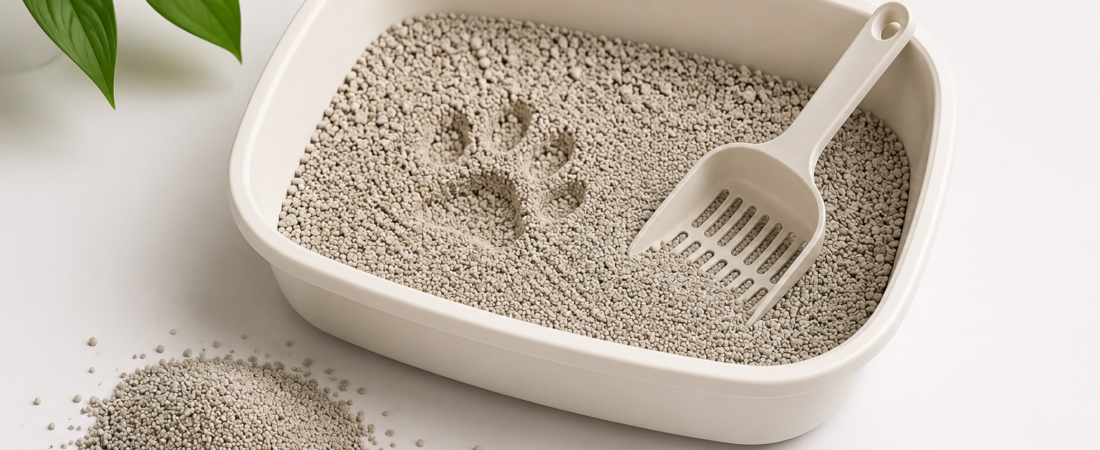
The Ultimate Guide to Choosing the Best Cat Litter: Keep Your Cat Happy and Your Home Fresh
Meta Title: Best Cat Litter Guide 2026 | Types, Benefits & Buying Tips
Meta Description: Discover how to choose the best cat litter for your cat. Learn about clumping, crystal, pine, and natural litter, plus expert cleaning tips to reduce odor and keep your home fresh.
The Ultimate Guide to Choosing the Best Cat Litter
Every cat owner knows that choosing the right cat litter is just as important as selecting quality cat food. The best litter helps control odors, makes cleaning easier, keeps your cat comfortable, and creates a healthier environment for both pets and owners.
With so many products available, finding the perfect option can be overwhelming. This guide explains everything you need to know about cat litter, including different types, benefits, cleaning tips, and how to select the best one for your feline friend.
Why Cat Litter Matters
Cats naturally bury their waste to keep their surroundings clean. A high-quality litter supports this instinct while providing several important benefits:
- Excellent odor control
- Easy daily cleaning
- Comfortable texture for sensitive paws
- Reduced dust for cleaner indoor air
- Better hygiene for both cats and humans
Using the right litter can even help prevent litter box avoidance, one of the most common behavioral issues in indoor cats.
Types of Cat Litter
1. Clumping Clay Litter
Clumping litter is the most popular choice among cat owners.
Advantages
- Forms solid clumps for quick scooping
- Excellent odor control
- Long-lasting
- Easy maintenance
- Widely available
Best For
- Multi-cat households
- Busy pet owners
- Daily litter box cleaning
2. Non-Clumping Clay Litter
Traditional clay litter absorbs moisture but does not form clumps.
Advantages
- Budget-friendly
- Good absorbency
- Easy to find
Drawbacks
- Requires more frequent replacement
- Less effective odor control
3. Crystal (Silica Gel) Cat Litter
Crystal litter uses silica gel to absorb moisture efficiently.
Benefits
- Outstanding odor control
- Extremely low dust
- Lightweight
- Long-lasting
Ideal For
- Apartment living
- Owners seeking minimal maintenance
4. Natural Cat Litter
Eco-friendly litter is made from renewable materials such as:
- Corn
- Wheat
- Walnut shells
- Recycled paper
- Coconut fiber
- Grass
- Bamboo
Advantages
- Biodegradable
- Environmentally friendly
- Lower dust levels
- Gentle on sensitive paws
5. Pine Pellet Litter
Wood pellet litter is gaining popularity among environmentally conscious cat owners.
Benefits
- Natural wood scent
- Excellent odor absorption
- Minimal tracking
- Sustainable material
How to Choose the Best Cat Litter
Consider these important factors before purchasing.
Odor Control
If your litter box is inside your home, strong odor control is essential. Clumping clay and crystal litter generally provide the best performance.
Dust Level
Low-dust litter is recommended for:
- Kittens
- Senior cats
- Cats with respiratory issues
- Allergy-sensitive households
Clumping Ability
Strong clumping litter:
- Makes cleaning easier
- Reduces waste
- Keeps the litter box cleaner longer
Tracking
Some litters stick to your cat’s paws and spread throughout the house.
To reduce tracking:
- Use larger granules
- Place a litter mat outside the box
- Clean around the litter area regularly
Scented vs Unscented
Scented Litter
Pros:
- Better odor masking
- Pleasant fragrance
Cons:
- Some cats dislike strong perfumes
Unscented Litter
Pros:
- Better for sensitive cats
- Preferred by many veterinarians
How Often Should You Clean the Litter Box?
Experts recommend:
- Scoop waste every day
- Refill litter as needed
- Wash the litter box weekly
- Replace all litter every 2–4 weeks (depending on the type)
Keeping the litter box clean encourages healthy litter habits and reduces unpleasant odors.
Common Cat Litter Mistakes
Avoid these common errors:
- Filling the box with too little litter
- Changing litter types too suddenly
- Ignoring daily scooping
- Using heavily scented litter for sensitive cats
- Choosing the wrong litter box size
Tips for Transitioning to a New Cat Litter
Cats often dislike sudden changes.
Transition gradually:
- Days 1–3: 75% old litter, 25% new
- Days 4–6: 50% old, 50% new
- Days 7–9: 25% old, 75% new
- Day 10: 100% new litter
This gradual approach helps prevent litter box refusal.
Frequently Asked Questions
What is the best cat litter?
There is no single best option. Clumping clay litter is ideal for most households, while natural and crystal litters are excellent alternatives depending on your priorities.
How often should I replace cat litter?
Daily scooping is recommended. Replace all litter every two to four weeks, depending on the product and the number of cats.
Is scented litter safe?
Most scented litters are safe, but cats with sensitive noses may prefer unscented varieties.
Can kittens use clumping litter?
Many veterinarians recommend non-clumping litter for very young kittens until they stop exploring or ingesting litter.
Final Thoughts
Choosing the right cat litter improves your cat’s comfort, supports healthy litter box habits, and keeps your home cleaner and fresher. Whether you prefer clumping clay, crystal, pine, or eco-friendly natural litter, selecting a product that matches your cat’s preferences and your cleaning routine is the key to long-term success.
A clean litter box, consistent maintenance, and high-quality litter will help create a happier, healthier environment for both you and your feline companion.