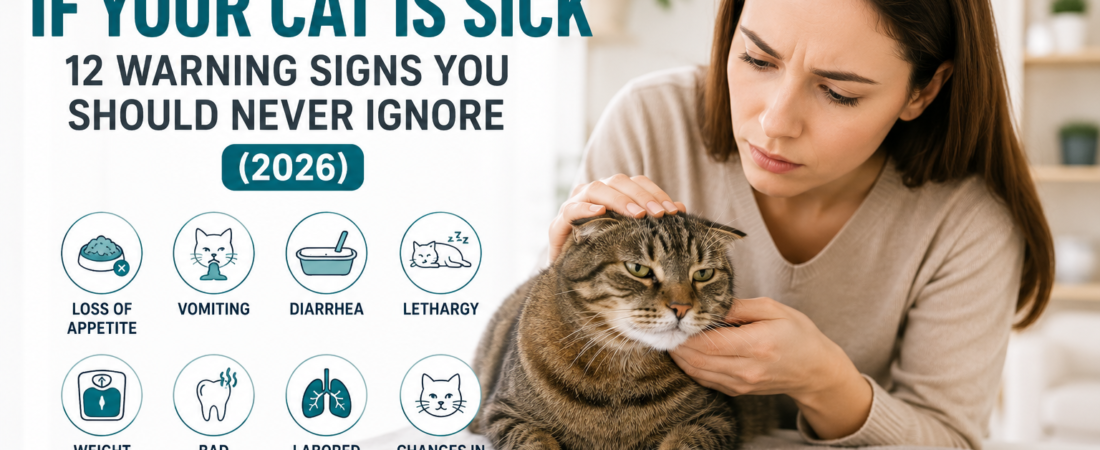
Cats are known for hiding pain and illness, making it difficult for owners to recognize when something is wrong. Unlike dogs, cats often continue their normal routines until a health problem becomes more serious.
Knowing the early warning signs can help you seek veterinary care before a condition worsens. In this guide, we’ll discuss 12 important symptoms every cat owner should watch for.
Why Cats Hide Illness
In the wild, showing weakness could make an animal vulnerable to predators. Although domestic cats live safely indoors, they still instinctively hide discomfort.
For this reason, even subtle behavioral changes may indicate that your cat isn’t feeling well.
1. Loss of Appetite
A healthy cat should eat regularly.
If your cat refuses food for more than 24 hours, contact your veterinarian.
Possible causes include:
- Dental disease
- Fever
- Kidney disease
- Digestive problems
2. Drinking Much More Water
Excessive thirst may indicate:
- Diabetes
- Kidney disease
- Hyperthyroidism
Fresh water should always be available, but sudden increases in water intake should not be ignored.
3. Sudden Weight Loss
Unexpected weight loss is often one of the first signs of illness.
Common causes include:
- Parasites
- Diabetes
- Cancer
- Kidney disease
4. Vomiting Frequently
Hairballs are normal occasionally.
However, repeated vomiting may signal:
- Food intolerance
- Poisoning
- Gastrointestinal disease
- Infection
5. Diarrhea
Persistent diarrhea can quickly lead to dehydration.
Seek veterinary advice if diarrhea lasts longer than 24–48 hours or contains blood.
6. Difficulty Breathing
Breathing problems are always considered an emergency.
Watch for:
- Open-mouth breathing
- Wheezing
- Rapid breathing
- Blue gums
Immediate veterinary care is recommended.
7. Changes in the Litter Box
Pay attention if your cat:
- Urinates more often
- Strains to urinate
- Stops using the litter box
- Has blood in the urine
Urinary blockages can become life-threatening within hours.
8. Sleeping Much More Than Normal
Cats sleep a lot, but a sudden increase combined with loss of interest in play may indicate illness.
9. Poor Grooming
Healthy cats spend a significant amount of time grooming.
If your cat’s coat becomes:
- Greasy
- Matted
- Dirty
it may be experiencing pain or illness.
10. Bad Breath
Persistent bad breath can indicate:
- Dental disease
- Gum infection
- Kidney disease
- Diabetes
A veterinary dental examination may be needed.
11. Hiding More Often
Cats naturally seek quiet places when stressed or unwell.
If your normally social cat suddenly hides for long periods, monitor for additional symptoms.
12. Changes in Behavior
Behavioral changes can be an early warning sign of illness.
Examples include:
- Increased aggression
- Confusion
- Restlessness
- Excessive vocalization
- Lack of interest in family members
When Should You Visit the Veterinarian?
Contact your veterinarian immediately if your cat:
- Stops eating for more than 24 hours
- Has difficulty breathing
- Cannot urinate
- Has repeated vomiting
- Has blood in vomit or stool
- Becomes unusually weak or collapses
Prompt treatment often leads to better outcomes.
Tips for Keeping Your Cat Healthy
Preventive care is the best way to reduce the risk of illness.
Follow these habits:
- Feed a balanced diet
- Provide fresh water daily
- Schedule annual wellness exams
- Keep vaccinations up to date
- Maintain a healthy weight
- Encourage regular exercise
- Monitor behavior and appetite
Final Thoughts
Cats are masters at hiding illness, which makes careful observation one of the most valuable tools for every pet owner. Recognizing the early warning signs and seeking veterinary care promptly can make a significant difference in your cat’s health and quality of life.
Regular checkups, proper nutrition, and a safe home environment are the foundation of a long and happy life for your feline companion.
Frequently Asked Questions
How can I tell if my cat is sick?
Look for changes in appetite, water intake, litter box habits, grooming, activity level, and behavior.
Is vomiting always a sign of illness?
Occasional hairballs are normal, but repeated vomiting should be evaluated by a veterinarian.
How often should healthy cats have a checkup?
Most healthy adult cats should visit the veterinarian once a year, while senior cats often benefit from exams every six months.