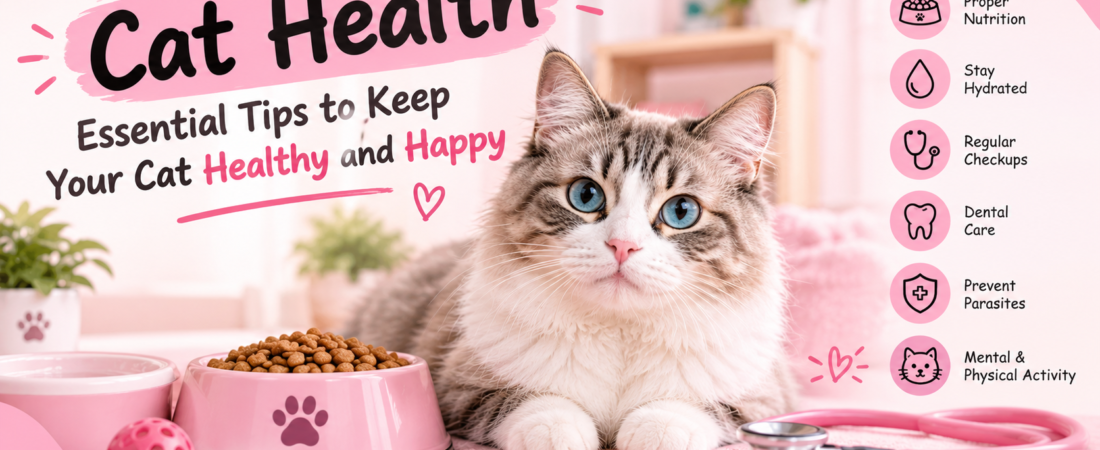
Keeping your cat healthy involves more than providing food and a comfortable place to sleep. Regular veterinary checkups, proper nutrition, dental care, exercise, and attention to behavioral changes all play important roles in your cat’s overall well-being.
Cats are naturally good at hiding signs of discomfort. Sometimes, a small change in appetite, energy level, grooming habits, or litter box behavior can be an early indication that something is wrong.
The good news is that understanding your cat’s basic health needs can help you recognize potential problems earlier and provide better everyday care.
In this guide, we’ll cover essential cat health practices, common warning signs, preventive care, and ways to support your cat throughout different life stages.
1. Provide a Balanced and Nutritious Diet
Nutrition is one of the foundations of feline health.
Cats are obligate carnivores, meaning they have specific nutritional requirements that must be met through an appropriate diet. They need adequate protein, essential amino acids such as taurine, fats, vitamins, and minerals.
When choosing cat food, look for a product labeled complete and balanced for your cat’s life stage.
Kittens, adult cats, and senior cats may have different nutritional needs. Cats with certain medical conditions may also require a veterinary therapeutic diet.
Avoid choosing food based only on marketing claims such as premium, natural, or grain-free. These terms do not automatically mean that a product is nutritionally superior.
For more guidance, explore our Cat Food Guide and Best Cat Food for Indoor Cats article.
2. Make Sure Your Cat Drinks Enough Water
Water supports normal digestion, circulation, temperature regulation, and kidney function.
Some cats prefer drinking from wide, shallow bowls, while others enjoy moving water from a fountain. Providing several clean water sources around your home may encourage drinking.
You can also discuss incorporating moisture-rich wet food into your cat’s diet with your veterinarian.
Keep water bowls clean and refill them regularly.
Pay attention to sudden changes in drinking habits. Excessive thirst or unusually frequent urination can sometimes indicate an underlying medical problem and should be discussed with a veterinarian.
For additional advice, read our How to Get Your Cat to Drink More Water guide.
3. Keep Up With Regular Veterinary Checkups
Routine veterinary visits help monitor your cat’s health and identify potential problems before they become more serious.
During a checkup, your veterinarian may assess your cat’s weight, body condition, teeth, eyes, ears, skin, and overall physical condition.
They can also recommend appropriate vaccinations, parasite prevention, and screening tests based on your cat’s age, lifestyle, medical history, and local disease risks.
The ideal visit schedule varies. Kittens, senior cats, and cats with ongoing medical conditions may need more frequent appointments than healthy adult cats.
Even if your cat lives entirely indoors, regular veterinary care remains important.
Indoor living reduces exposure to some risks, but it does not eliminate the possibility of illness.
4. Understand Your Cat’s Vaccination Needs
Vaccination helps protect cats against several infectious diseases.
Core vaccines are generally recommended for cats, although the exact schedule depends on age, previous vaccination history, health, and local veterinary guidelines.
Additional vaccines may be appropriate depending on exposure risk and lifestyle.
Your veterinarian can help determine which vaccines your cat needs and when booster doses should be administered.
Do not assume that an indoor cat never needs vaccinations. Some infectious risks can still exist even for cats that rarely leave home.
For reliable advice, consult your veterinarian rather than following a vaccination schedule designed for a different cat or region.
5. Maintain Good Dental Health
Dental problems are common in cats and can cause significant discomfort.
Warning signs may include bad breath, drooling, difficulty chewing, reduced appetite, or pawing at the mouth. Some cats show very few obvious symptoms even when dental disease is present.
Brushing your cat’s teeth with a cat-specific toothbrush and toothpaste can help reduce plaque buildup.
Never use human toothpaste, as some ingredients may be harmful to cats.
If your cat resists tooth brushing, introduce the process gradually and ask your veterinarian about alternative dental care options.
Professional dental examinations and treatment may be necessary when tartar, gum inflammation, or other problems develop.
Learn more in our Cat Dental Care Guide.
6. Keep Your Cat at a Healthy Weight
Maintaining a healthy weight helps support mobility, activity, and overall quality of life.
Indoor cats may have fewer opportunities for spontaneous activity, especially if they spend long periods sleeping or resting.
To help manage weight:
- Measure food portions instead of estimating them.
- Account for treats when considering total daily calories.
- Encourage interactive play.
- Monitor body weight and body condition.
- Ask your veterinarian to recommend an appropriate feeding plan.
Do not put an overweight cat on a crash diet or drastically reduce food intake without professional guidance. Rapid weight loss or prolonged inadequate food intake can be dangerous for cats.
If your cat gains or loses weight unexpectedly, arrange a veterinary assessment rather than assuming the cause is simply overeating or aging.
You can also explore our Cat Weight Management Guide.
7. Watch for Changes in Behavior
Behavior is an important part of understanding your cat’s health.
A cat that suddenly becomes withdrawn, unusually aggressive, restless, or reluctant to jump may be experiencing stress, pain, or illness.
Other changes worth noticing include:
- Hiding more than usual
- Sleeping significantly more than normal
- Losing interest in favorite activities
- Grooming excessively or neglecting grooming
- Changes in appetite
- Avoiding the litter box
- Vocalizing more frequently
These signs do not always mean that your cat is sick, but persistent or sudden changes deserve attention.
Never assume that a cat is simply being difficult when its behavior changes unexpectedly.
8. Maintain a Clean Litter Box
Litter box hygiene supports comfort and helps you monitor your cat’s elimination habits.
Scoop waste regularly, remove soiled litter, and clean the box according to the litter manufacturer’s recommendations.
In multi-cat households, providing multiple litter boxes can help reduce competition and make it easier for each cat to find a suitable place.
Pay attention to changes in urine volume, stool consistency, frequency of urination, or litter box habits.
Straining to urinate, repeatedly visiting the litter box while producing little or no urine, or crying during urination can indicate a medical emergency. In particular, urinary blockage is life-threatening, especially in male cats. Seek emergency veterinary care immediately if you suspect a blockage.
For practical maintenance advice, visit our Cat Litter Guide.
9. Encourage Daily Exercise and Mental Stimulation
Physical activity and mental stimulation help keep indoor cats engaged.
You do not need a large house or an elaborate playroom to create a more enriching environment.
Try offering:
- Interactive wand toys
- Short daily play sessions
- Puzzle feeders
- Safe climbing opportunities
- Scratching posts
- Comfortable elevated resting places
- Rotating toys to maintain interest
Let your cat choose whether to participate, and avoid play that encourages unsafe jumping or collisions.
A well-positioned Cat Tree can provide climbing, scratching, observation, and resting opportunities in one structure.
You can explore our Best Cat Trees guide for ideas on creating a more engaging indoor environment.
10. Prevent Fleas, Ticks, and Internal Parasites
Parasites can affect cats even when they spend most of their time indoors.
Fleas may enter the home on other animals or through the surrounding environment. Depending on the circumstances, cats may also be exposed to intestinal parasites.
Ask your veterinarian which preventive treatments are appropriate for your cat’s age, health, and lifestyle.
Use only products specifically approved for cats and follow the label carefully. Some dog flea treatments contain permethrin, which is highly toxic to cats.
Do not assume that a product is safe simply because it is sold for pets.
If you notice persistent scratching, visible parasites, diarrhea, or other concerning symptoms, consult your veterinarian for appropriate diagnosis and treatment.
11. Know the Warning Signs That Require Veterinary Attention
Recognizing when your cat needs help is one of the most important parts of responsible pet ownership.
Contact a veterinarian promptly if your cat experiences persistent vomiting, diarrhea, reduced appetite, unexplained weight loss, difficulty walking, or noticeable changes in drinking and urination.
Seek emergency veterinary care for signs such as:
- Difficulty breathing or open-mouth breathing
- Collapse or loss of consciousness
- Seizures
- Suspected poisoning
- Severe bleeding or major trauma
- Repeated straining with little or no urine
- Sudden inability to stand or severe weakness
Do not wait for symptoms to disappear if your cat appears seriously unwell.
Avoid giving human medications unless a veterinarian specifically instructs you to do so. Many common medicines can be toxic to cats.
12. Support Your Cat Through Every Life Stage
A cat’s needs change throughout its life.
Kittens
Kittens need appropriate growth nutrition, vaccination planning, parasite prevention, socialization, and frequent monitoring.
Adult Cats
Adult cats benefit from balanced nutrition, weight management, dental care, routine veterinary visits, and daily enrichment.
Senior Cats
Older cats may need more frequent health assessments and closer monitoring for changes in mobility, appetite, weight, kidney function, and other age-related concerns.
Do not automatically assume that reduced activity, weight loss, or increased thirst is a normal part of aging. These changes may be treatable signs of disease.
Your veterinarian can help tailor a care plan to your cat’s individual needs.
Final Thoughts
Keeping your cat healthy is an ongoing process built around good nutrition, preventive veterinary care, dental hygiene, weight management, exercise, and attention to behavioral changes.
You do not need to identify every possible disease yourself. Your most important role is to understand your cat’s normal habits, notice meaningful changes, and seek professional help when something seems wrong.
Start with the essentials: provide a balanced diet, fresh water, a clean litter box, opportunities for play, and regular veterinary checkups.
For more practical advice, explore our Cat Health section and read our related guides on Cat Food, Cat Litter, and Indoor Cat Care.
Disclaimer: This article is for general educational purposes only and does not replace professional veterinary advice, diagnosis, or treatment. Always consult a qualified veterinarian about your cat’s individual health needs.